
Salivary Diagnostics: What Your Saliva Can Reveal About Your Health
At Angha Perio, Dr. Sarvenaz Angha uses an evidence-based, wellness-focused approach to periodontal and implant care. When appropriate, bacterial and DNA testing may be included to help identify factors contributing to periodontal disease.
The goal is not simply to treat visible symptoms. It is to understand the biology behind the condition, provide clear recommendations, and create a plan that supports long-term gum health.
Experiencing bleeding gums, gum recession, persistent bad breath, loose teeth, or recurring periodontal problems? Contact Angha Perio or call (626) 788-0006 to schedule a comprehensive periodontal evaluation.
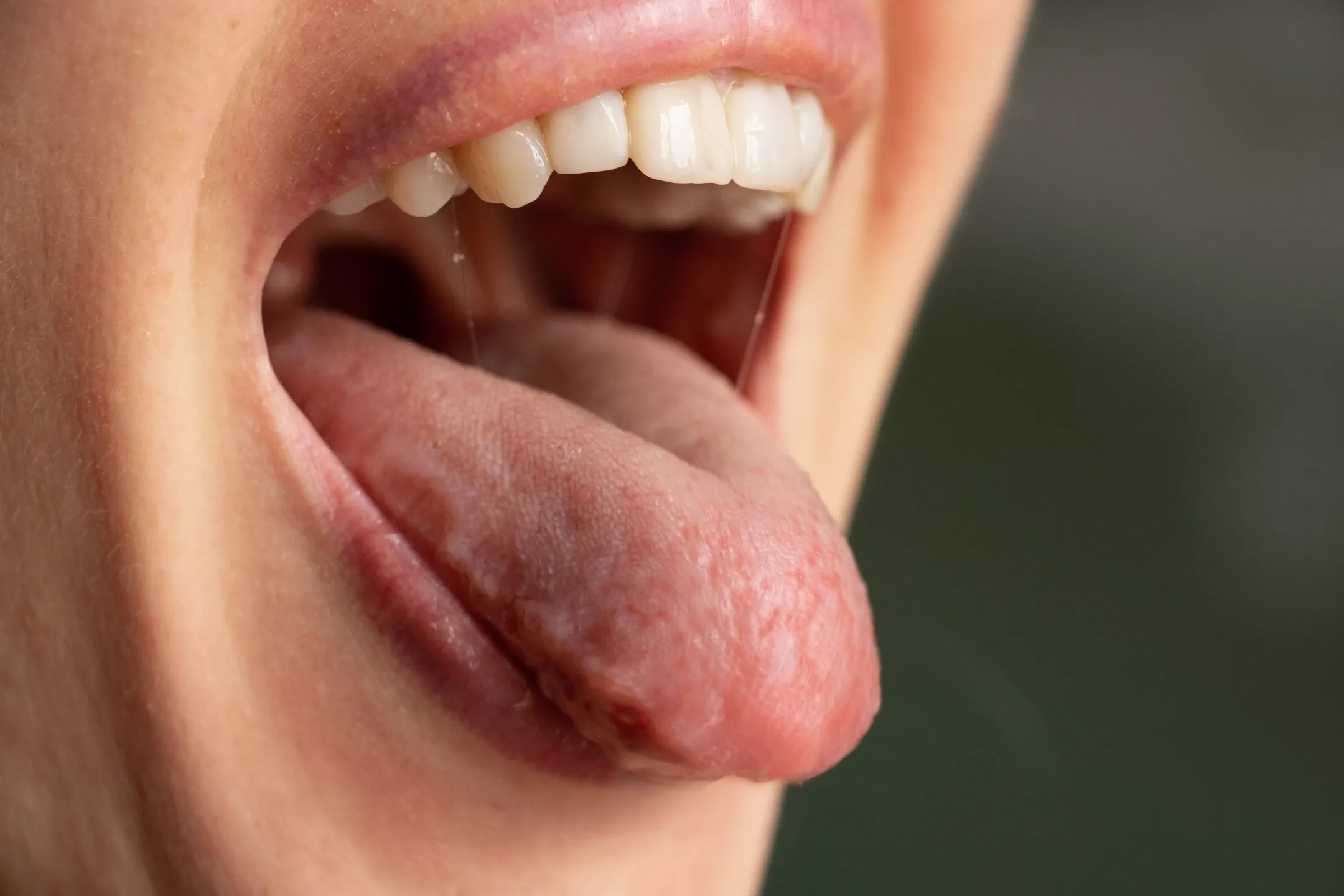

Please post this content as a blog. Dr. has reviewed and appoved:
Salivary Diagnostics: What Your Saliva Can Reveal About Your Health
A small saliva sample can provide valuable information about what is happening in your mouth and potentially offer clues about your overall health.
Salivary diagnostics uses saliva to look for bacteria, inflammatory markers, proteins, genetic material, and other biological indicators. These findings can help dental professionals better understand periodontal disease risk, monitor changes, and develop more personalized treatment plans.
Recent research highlights saliva as a convenient, noninvasive diagnostic tool with potential applications in periodontal disease, diabetes, cardiovascular conditions, infections, autoimmune disorders, and certain cancers. While many whole-body applications are still developing, saliva testing already offers useful information for selected periodontal patients.
What Is Salivary Diagnostics?
Salivary diagnostics involves collecting a small saliva or oral-fluid sample and analyzing it for specific biomarkers.
Saliva contains more than water. It may include:
- Oral bacteria
- DNA and RNA
- Proteins and enzymes
- Antibodies
- Hormones
- Inflammatory markers
- Metabolic substances
Changes in these components may provide information about bacterial activity, inflammation, disease susceptibility, or how a patient is responding to treatment.
Collection is usually quick, comfortable, and noninvasive. There are no needles, and patients can typically return to their normal activities immediately afterward.
How Can Salivary Testing Support Periodontal Care?
A complete periodontal evaluation remains essential. This may include measuring gum pockets, checking for bleeding and recession, reviewing X-rays, and evaluating the bone supporting the teeth.
Salivary testing does not replace these methods. Instead, it adds biological information that may not be visible during a standard examination.
Identifying Periodontal Bacteria
Periodontal disease is associated with harmful bacteria that can collect below the gumline. Some salivary tests can identify specific bacterial strains connected to inflammation and damage to the tissues supporting the teeth.
Understanding which bacteria are present can help your periodontist evaluate your individual risk and determine whether additional treatment or monitoring may be appropriate.
Evaluating Inflammation
Inflammation is the body’s response to harmful bacteria. When it becomes chronic or uncontrolled, it can contribute to gum recession, tissue damage, and bone loss.
Researchers have identified salivary biomarkers associated with periodontal inflammation. One example is MMP-8, an enzyme connected to the breakdown of tissues around the teeth. Measuring these markers may help clinicians assess whether periodontal disease appears stable or active.
Personalizing Treatment
Two patients can have similar examination findings but very different bacterial profiles, immune responses, and medical risk factors.
Salivary diagnostics may help reveal these differences. When combined with X-rays, periodontal measurements, health history, and lifestyle factors, the results can support a more individualized care plan.
Monitoring Changes
Because collecting saliva is relatively simple, testing may be repeated before and after treatment. Comparing results can help the periodontal team monitor bacterial changes and determine whether closer maintenance may be beneficial.
Test results must always be interpreted alongside a clinical examination. Salivary testing alone cannot determine whether periodontal treatment has succeeded or predict exactly how a condition will progress.
What Happens During Salivary Testing?
You may be asked to avoid eating, drinking, smoking, brushing, or using mouthwash for a specified period before testing because these activities can temporarily alter your saliva.
A sample may be collected by:
- Spitting into a sterile container
- Allowing saliva to collect naturally
- Using a swab or absorbent device
- Collecting fluid from beneath the gumline
The sample is then analyzed by an appropriate laboratory. Depending on the test, the results may provide information about bacteria, inflammation, or genetic risk factors.
Your periodontist will review the findings in the context of your complete oral and medical history.
Who May Benefit From Salivary Diagnostics?
Testing may be useful for patients who:
- Have chronic or rapidly progressing gum disease
- Experience recurring periodontal infections
- Continue to lose bone despite previous treatment
- Have a family history of advanced gum disease
- Have diabetes or other inflammation-related health concerns
- Use tobacco or nicotine products
- Are preparing for periodontal or implant treatment
- Want a more personalized preventive approach
Not every patient needs salivary testing. Your periodontist will determine whether the information is likely to affect your treatment or long-term maintenance plan.
What Can Saliva Tell Us About Whole-Body Health?
Saliva is also being studied as a source of biomarkers for conditions beyond the mouth, including diabetes, cardiovascular inflammation, infections, autoimmune disorders, neurological diseases, and certain cancers.
This does not mean that one dental saliva test can diagnose all these conditions. Many applications remain under investigation, and testing methods are not yet standardized for every biomarker.
However, this research supports a broader understanding of the mouth-body connection. Oral inflammation does not occur in isolation, and periodontal health should be considered part of overall wellness.
Patients with possible medical concerns should continue working with their physicians. Salivary diagnostics supports clinical decision-making but does not replace medical testing or diagnosis.
What Are the Limitations?
Salivary testing is promising, but it is not a crystal ball. Results may be influenced by:
- Recent food or drink
- Hydration
- Medications
- Smoking
- Oral hygiene
- Stress
- Time of day
- Saliva flow
- Sample collection and storage
There is also no single test that provides a complete picture of periodontal or systemic health. Results should be interpreted by a qualified professional who understands the test, its limitations, and the patient’s broader health history.
A More Proactive Approach to Gum Health
Periodontal disease can progress quietly. Some patients experience bleeding, swelling, recession, or persistent bad breath, while others notice few symptoms until bone loss has already occurred.
Salivary diagnostics can help make periodontal care more proactive by identifying microbial and biological risk factors that may not be obvious during a visual examination.
When combined with advanced periodontal technology, professional imaging, periodontal measurements, and regular cleanings and examinations, saliva testing can contribute to a more complete understanding of your gum health.
This article is intended for general educational purposes and does not replace individualized dental or medical advice. Salivary test results should be interpreted alongside a comprehensive examination, medical history, and other appropriate diagnostic findings.
Research source: Salivary Diagnostics and Its Role in the Early Detection of Systemic and Oral Diseases
Salivary Diagnostics in Pasadena
At Angha Perio, Dr. Sarvenaz Angha uses an evidence-based, wellness-focused approach to periodontal and implant care. When appropriate, bacterial and DNA testing may be included to help identify factors contributing to periodontal disease.
The goal is not simply to treat visible symptoms. It is to understand the biology behind the condition, provide clear recommendations, and create a plan that supports long-term gum health.
Experiencing bleeding gums, gum recession, persistent bad breath, loose teeth, or recurring periodontal problems? Contact Angha Perio or call (626) 788-0006 to schedule a comprehensive periodontal evaluation.
